Skip to content

Quality you can audit.

Grading tolerances, lot-level traceability and shipment documentation, with a certification programme built into the facility rather than added afterwards.

Consistency is a process problem before it is a certificate.

A certificate records that a system was audited. It does not, on its own, make a kernel consistent. What makes a kernel consistent is moisture control at intake, calibrated equipment, disciplined grading against written tolerances, and a habit of recording what happened to every lot.

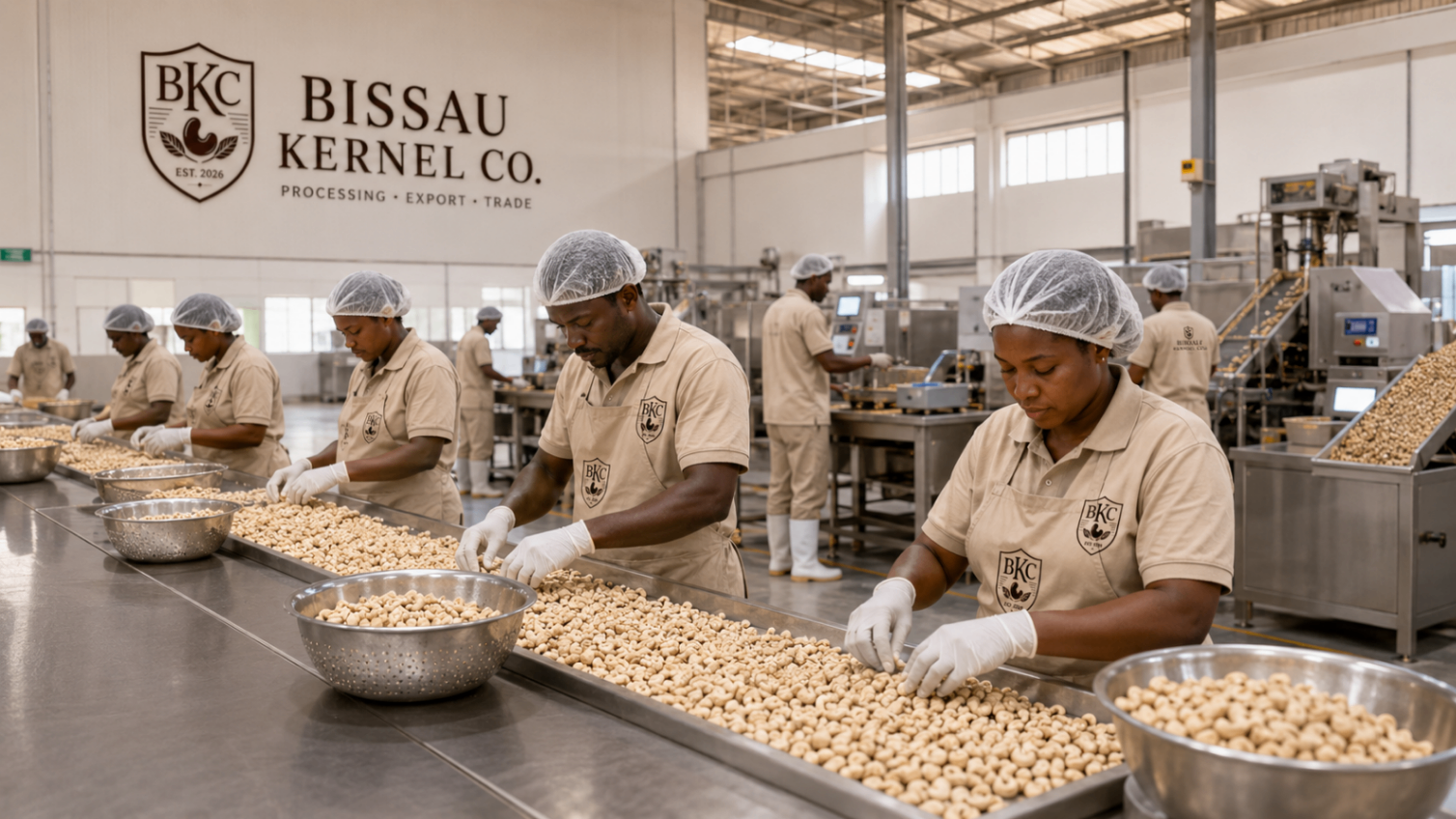
Our plant was specified with that order of priorities. Raw nut intake is coded and recorded. Conditioning holds moisture inside a target range so shelling performance stays predictable. Grading is carried out against written size, colour and defect tolerances rather than by eye alone. Finished lots carry the code they were given at intake through to the container.

Certification then verifies that system to a recognised standard, which is what a retail or manufacturing buyer needs before a listing. Both parts matter, and they happen in that order.


Standards we are building towards, and where each one currently stands.

We publish status rather than claim accreditation we do not yet hold. Each entry is updated as audits are completed.

Food safety management

ISO 22000

The plant's HACCP plan, hygiene zoning, traceability records and corrective-action procedures are being written against ISO 22000 from the outset, rather than retrofitted later.

StatusSystems being built to the standard ahead of certification audit

Retail supply assurance

BRCGS Food Safety

European retailers generally require a GFSI-recognised scheme before an own-label listing. BRCGS is the route we are preparing for, and the facility layout, documentation and staff training programme are specified accordingly.

StatusFacility designed to the standard, audit scheduled after commissioning

Organic certification

EU Organic

Organic status depends on the farms as well as the plant. We are mapping cooperative sourcing areas and record-keeping now so that a certified organic line can follow once conversion periods are complete.

StatusConversion pathway under preparation with partner cooperatives

Producer pricing and premium

Fairtrade

Direct cooperative purchasing, documented pricing and transparent payment records are the practical requirements. Our procurement structure is built around them.

StatusSourcing model designed for eligibility

Farm and environmental practice

Rainforest Alliance

Extension work with smallholders on farm practice, biodiversity and record-keeping is being designed alongside the sourcing programme rather than as a separate exercise.

StatusFarmer engagement programme in design

What travels with the container.

  • Lot code assigned at raw nut intake and carried through conditioning, shelling, grading and packing.
  • Certificate of analysis covering the specification agreed for the contract.
  • Phytosanitary documentation and origin declaration for the destination market.
  • Pack labelling showing grade, lot code and production date.
  • Production records retained and available to buyers and auditors on request.

The processing sequence behind these records is set out step by step on the operations page.

Where quality is decided

  1. 01

    Sourcing

    Raw cashew nuts are bought through cooperatives, aggregators and direct buying channels across Guinea-Bissau, with each intake recorded against a lot code.

  2. 02

    Conditioning

    Moisture and temperature are stabilised so that shelling performance and kernel integrity stay inside target ranges.

  3. 03

    Cutting

    Nuts are opened on calibrated semi-automated equipment set to protect whole-kernel recovery and limit breakage.

  4. 04

    Shelling

    Shell removal runs under controlled handling protocols that keep foreign material and cross-contamination risk down.

  5. 05

    Peeling

    Testa is removed and kernels are visually inspected before they reach the grading line.

  6. 06

    Grading

    Whole kernels, splits and pieces are sorted against the size, colour and defect conventions used in export kernel trade.

  7. 07

    Packaging

    Finished kernels are vacuum-packed or packed in food-grade export cartons, labelled with grade, lot and production date.

  8. 08

    Export

    Sealed lots move from the plant to the Port of Bissau and onward to destination markets in Europe, the Gulf, North America and West Africa.

Send us your specification sheet and we will respond against it.

If your technical team works to defined tolerances on moisture, defective count, colour band or broken percentage, share them with your enquiry and we will confirm what we can hold.